


Auto Repair Shop Business Plan Template (Word, PDF & Financial Projections)
Open your auto repair shop with a clearer plan. This editable auto repair shop business plan temp...
Read more →Couldn't load pickup availability
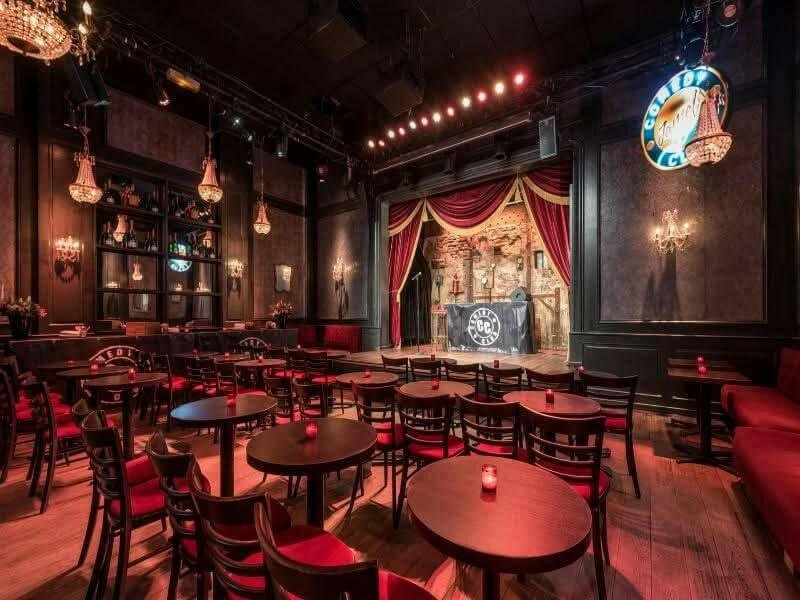
Opening a U.S. comedy venue takes more than a stage and a mic — you need a lender-ready business plan template that proves ticket demand, beverage margins, and nightly capacity can support real profit. This Comedy Club plan comes in editable Word + PDF with a 36-month forecast, built for SBA loans, investors, and lease approvals, delivered instantly.
Use it for stand-up clubs, improv theaters, late-night lounges, or multi-use event rooms that rotate comedy, open-mic, and private bookings. The template covers how to price tickets, structure performer deals, manage food and bar service, and keep a consistent weekly calendar that drives repeat attendance.
Your 3-year model ties seat utilization, show frequency, and per-guest spend into clean monthly projections — so banks and partners can see exactly how your club ramps from launch nights to a stable, high-margin entertainment operation.
A comedy club business plan template is a step-by-step roadmap for building a profitable U.S. live-entertainment venue, explaining your concept, target audience, booking strategy, revenue streams, and 36-month financial model in lender language. This package includes an editable Word plan + PDF plus startup costs, operating assumptions, and defensible projections that make funding and permits easier to win — built by BPlanMaker, a U.S. specialist in lender-ready business plan templates.
U.S. comedy clubs are thriving where they deliver consistent weekly programming, layered revenue (tickets + bar/food + rentals), and a tight local marketing loop. Demand is strongest in walkable nightlife zones and college-adjacent districts, especially for clubs that rotate showcase nights, open-mics, and themed events to keep calendars fresh.
Profitability hinges on seat fill rate and per-guest spend — your forecast shows how higher attendance density lowers per-show labor and lifts margins over time.
NAICS Code: 711110 (Theater Companies and Dinner Theaters — live performance venues) — Official NAICS listing
Local demand research reference: BLS data on arts, entertainment & venue employment
Secure checkout · Instant access · Works in Word & Excel

You’ll summarize your comedy club concept, seating capacity, show schedule, and target audience in a lender-friendly one-page pitch. This part clarifies whether you’re running stand-up, improv, or hybrid programming and how that drives revenue. It also states your funding needs and the milestones that make your launch credible.
The plan breaks down local nightlife demand, audience segments, and how often fans attend live comedy in your area. You’ll map competitors such as theaters, music venues, and bar-based events to show your niche. It also explains the demand drivers lenders care about: population density, tourism, and disposable income.
You’ll detail your revenue stack: ticket tiers, VIP seating, food and beverage menus, merchandise, and private rentals. The template includes standard pricing logic for showcase nights versus open-mics, plus per-guest spend assumptions. This shows investors that your pricing is intentional and margin-protected.
This section lays out front-of-house flow, bar service timing, sound/light needs, door management, and safety routines. You’ll define roles for GM, booker, bartenders, servers, tech, and security, including staffing levels by show night. It also covers compliance items like occupancy rules and liquor service protocols.
You’ll get a repeatable promotion system for weekly shows: local SEO, social clips, email drops, campus partnerships, and event-platform listings. The plan explains how to convert first-time attendees into members and recurring buyers. It includes a simple 3–4-channel mix so lenders see predictable acquisition, not guesswork.
You’ll define who owns booking decisions, operations, and financial controls, even if you’re starting solo. The plan includes trackable KPIs such as seat fill rate, bar revenue per head, and repeat attendance. This makes the business look professionally managed and ready to scale.
The 3-year forecast models show count per week, ticket yield, bar/food margins, payroll, rent, and marketing in clean monthly detail. You can adjust assumptions for capacity, pricing, and cadence to match your venue. Lenders get clarity on break-even timing and what growth looks like after month one.
One-time purchase — no subscriptions. You get a professional, SBA-aligned structure that mirrors what U.S. lenders and investors expect for entertainment venues, including realistic 36-month assumptions for ticketing and bar performance. Everything is instantly downloadable and fully editable so you can tailor the plan to your exact club concept with confidence.
Editable files · 36-month forecast included · SBA & investor-ready
Show lenders, investors, and landlords a clear, profitable roadmap for ticketing, bar revenue, and nightly operations.
Download instantly and start booking your grand-opening calendar today.
BPlanMaker


Still researching your plan? Explore our latest articles on writing a stronger business plan, using your business plan template, and getting ready for lenders, investors, and SBA programs.
Open your auto repair shop with a clearer plan. This editable auto repair shop business plan temp...
Read more →
Open your daycare with a clearer plan. This editable daycare business plan template includes a Mi...
Read more →
Planning to start a lawn care business? Learn what a professional business plan should include an...
Read more →