


Auto Repair Shop Business Plan Template (Word, PDF & Financial Projections)
Open your auto repair shop with a clearer plan. This editable auto repair shop business plan temp...
Read more →Couldn't load pickup availability
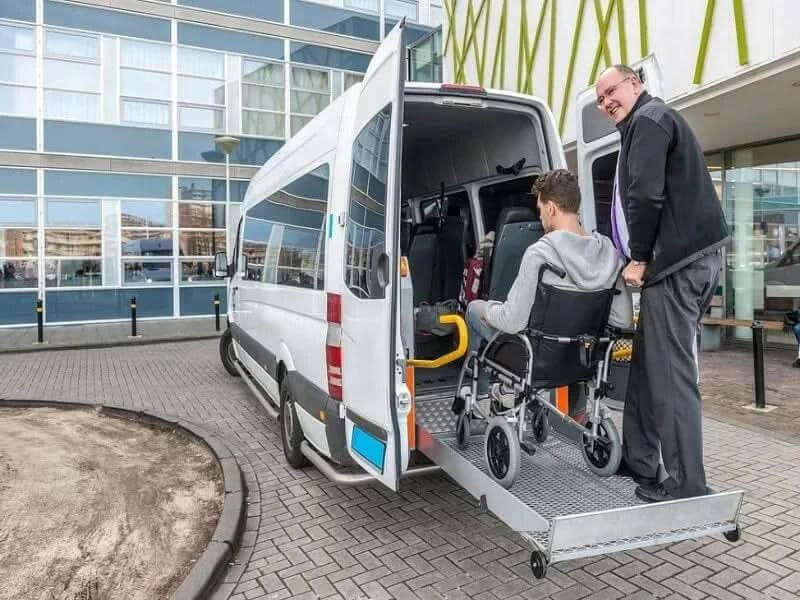
Starting a wheelchair transportation (NEMT) service in the U.S. is equal parts safety, scheduling, and proof. Loan officers want a plan they can scan in minutes, confirm assumptions, and green-light. This template gives you the bank-style section order loan teams expect, a three-year month-by-month model, and plain-English operations language for securements, on-time KPIs, and incident logs. If you’re targeting 8–12 paid rides per vehicle per day at a blended $38–$55 net per ride (after fuel/insurance/labor), the model shows exactly how route density and facility contracts move you from break-even to surplus.
You’ll edit service areas, pricing (base + loaded miles + wait), shifts, and utilization. We include payer-mix notes (private pay, facility, Medicaid brokers) and membership/contract options for steadier cash flow. The prose is written so reviewers can trace each number back to a simple driver: rides × price × utilization. You’ll also get a clean partnership packet (coverage map, KPIs, response windows) to pitch hospitals, senior living, and care managers.
Click download, open in Word, swap in your street names and hours, and export to PDF. No extra software. No fluff. Just a clear plan designed to be easy for loan officers to skim and verify.

Quick answer: This is a complete wheelchair transportation business plan you can edit today. It follows the section order loan teams recognize, includes a three-year model (rides, utilization, wages, fuel, insurance), and gives you compliance language for ADA securements and incident response. Expect most owners to customize in a day and present within 24–48 hours with supporting KPIs.
Demand concentrates around senior-dense ZIPs, outpatient clinics, dialysis centers, and discharge windows. Brokers and facility schedulers value reliability, documented securement practices, and quick dispute resolution. Vehicle uptime (maintenance + driver availability) is the silent margin lever, so the plan bakes in shift templates, pre-trip checks, and replacement schedules. For market definition, see the Census NAICS classification for Special Needs Transportation (NAICS 485991).
Picture week one: one accessible van, two driver candidates, a short list of clinics, and a dispatch phone that rings at odd times. You map AM dialysis blocks and hospital discharge hours, then draft a “no-surprises” policy—arrival windows, wait fees, and what happens when a ride runs long. The plan’s route templates help you stack morning standing orders and fill afternoons with outpatient rides. As on-time rate climbs above 96%, you approach the first facility contract with a one-page KPI sheet and a coverage map pulled straight from the appendix.
By day 90, the second vehicle is scheduled for peak days only. One driver is cross-trained as dispatcher, trimming overtime. You test a membership option for private-pay repeat riders and add an after-hours surcharge to protect margins. None of that is guesswork—the model shows how utilization moves when you add or remove a shift and exactly how many rides you can absorb before hiring again.
• More standing orders from senior living and rehab clinics; expect tighter on-time and documentation clauses.
• Broker portals standardize dispute workflows—photos, timestamps, and driver notes reduce revenue leakage.
• Insurance carriers scrutinize training and incident logs; maintain refreshers and keep securement photos on file.
Reviewers trace revenue to a few levers: daily rides per vehicle, blended net per ride, driver hours, and paid miles. In the model, a single-van week at 54–68 rides (≈9–11 per day) with a blended net of $40–$52 yields $2,160–$3,536 net contribution before overhead. Push utilization to a two-van staggered schedule and you maintain coverage while smoothing overtime. Add a modest facility contract (120 rides/month at a contracted rate) and watch variance drop—fewer gaps, steadier cash, and easier staffing.
Costs are transparent: wages and payroll taxes by shift, fuel per paid mile, scheduled maintenance, annual insurance, and admin time. The payback math is equally clear: target a 9–14-month window by combining weekday standing orders with weekend private-pay. The plan’s “what if” notes show how a $3 increase in blended net or a +1 ride/day shift accelerates debt coverage without relying on unrealistic surges.
Scenario A — Facility Ladder: Input: 1 van, 2 drivers, 3 dialysis blocks. Decision: commit AM slots to standing orders; leave two PM windows for clinics. Outcome: stable base volume covers wages/insurance; PM fills with discharge rides; overtime falls as on-time KPIs cross 97%.
Scenario B — Private-Pay Ladder: Input: 2 vans, weekend demand. Decision: launch membership (10% off base + priority window); deploy a lighter Saturday shift. Outcome: higher blended net per ride; easier scheduling; faster payback with fewer broker disputes.
ADA securement steps and photos; driver screening + training log; commercial auto + general liability + workers’ comp proof; pre-trip inspection checklist; incident/near-miss reporting; HIPAA-aware ride notes for protected health info; broker/facility dispute workflow; payment/PCI practices for private-pay.
Fuel swings — contract a surcharge & review quarterly • Driver turnover — cross-train + referral bonuses • Insurance hikes — shop renewals early, document training • Vehicle downtime — rotate maintenance windows • Broker denials — timestamped photos + portal audits.
Author: BPlanMaker business planning team. We study U.S. loan packets, landlord requirements, and operator workflows, then translate them into plain English with numbers reviewers can verify.
Method: Bank-familiar section order, editable assumptions, and operations phrasing drawn from real scheduler and broker expectations. Always adapt numbers to your local regulations, pay rates, and route density.
Last updated: November 2025 by BPlanMaker.
BPlanMaker


Still researching your plan? Explore our latest articles on writing a stronger business plan, using your business plan template, and getting ready for lenders, investors, and SBA programs.
Open your auto repair shop with a clearer plan. This editable auto repair shop business plan temp...
Read more →
Open your daycare with a clearer plan. This editable daycare business plan template includes a Mi...
Read more →
Planning to start a lawn care business? Learn what a professional business plan should include an...
Read more →