


Auto Repair Shop Business Plan Template (Word, PDF & Financial Projections)
Open your auto repair shop with a clearer plan. This editable auto repair shop business plan temp...
Read more →Couldn't load pickup availability
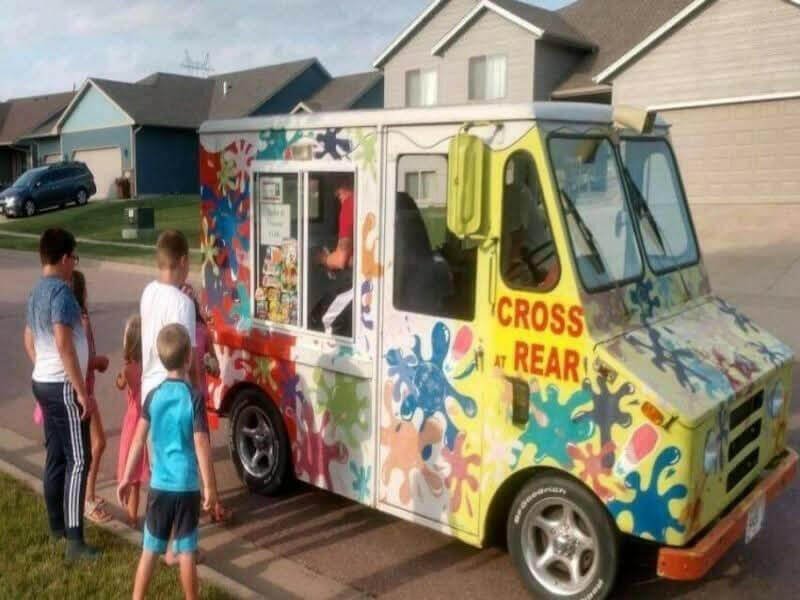
Launch a mobile frozen-dessert business with a plan that already speaks the language of U.S. lenders and city health departments. This ice cream truck template walks through routes, permits, equipment, menu, and cash flow, so you can show exactly how the truck earns money weekday and weekend.
You get an instantly downloadable Microsoft Word file plus a shareable PDF. Adjust truck cost, service area, event calendar, and menu pricing in a few minutes, then send to banks, microloan programs, or partners without rewriting the whole thing.
The financial model is built around realistic stop counts, school/park routes, fairs, neighborhood nights, and private parties, so cash flow still works when weather or fuel costs shift.
A customer-facing, SBA-style plan for mobile ice cream trucks that explains the concept, shows your permits and food-safety workflow, proves your routes and event income, and attaches a 3-year forecast — written so non–food-industry people can read it and say “yes.”
This plan uses the traditional SBA layout that U.S. banks, community lenders, and microloan programs recognize (summary → market → operations → management → financials). Language stays simple on purpose, so non-restaurant reviewers can follow your routes, permits, and event income without industry jargon.
Compliance notes reference current U.S. mobile-food guidance and standard health-department expectations for food trucks; you can drop in your city or county fee schedule where the template shows local fields.
The compliance section explains that most U.S. ice cream trucks will need: a mobile food license from your local health department, proof of commissary or approved storage, food-safety certifications, vehicle/plate registration that matches the permit, and permission to vend in additional counties when you cross city or county lines.
You can show lenders that routes and events are legal by attaching your local permits and insurance certificates to the back of this plan.
• First-time owners buying and wrapping a single truck
• Food-truck operators adding frozen desserts for summer and events
• SBA/microloan applicants that need a clean, mobile-food plan
• Caterers and party planners that want a branded dessert truck
• Existing mobile-food fleets adding a kid/family truck
It already includes the parts reviewers ask for — route logic, menu, permits, pricing, and a three-year model — so you spend your time adding your city rules, not reformatting. It’s written for lenders, but it’s understandable for partners and landlords.
A short “risks and mitigations” note is included so you can show you thought about weather, fuel, and event cancellations and have backup routes/events ready.
The plan suggests three tiers: weekday neighborhood pricing, school/park or HOA pricing, and event/corporate pricing. You can plug in your own menu or supplier costs and the 3-year forecast adjusts automatically.
Startup costs are listed separately (truck or trailer, cold equipment, generator, wrap, licenses, commissary), so lenders can finance capital items differently from working capital.

Mobile dessert trucks continue to do well in warm months because they can park near schools, neighborhoods, and local events. Operators that pre-book private events and weekend festivals build steadier cash flow, which makes their plans more attractive to lenders. The industry is also benefiting from online booking, social media route announcements, and contactless payments.
What You’ll Turn In: Lender-ready narrative in Word/PDF, 3-year forecast, startup costs list, route/event overview, and compliance notes.
What You’ll Customize: Menu and pricing, truck/trailer model, service area, event calendar, staff schedule, local permit/inspection schedule, and supplier list.
What’s Not Included: Vehicle purchase, equipment, city/county fees, accounting/legal, or third-party software — those stay in your own operating budget.
Every warm weekend you wait is lost revenue. Launch with a plan lenders recognize.
Download, edit, and present your mobile dessert plan today.
Buy Now & Download Instantly – Start Your Ice Cream TruckLast updated: 2025 by BPlanMaker.
Templates are educational business documents, not legal or tax advice.
BPlanMaker


Still researching your plan? Explore our latest articles on writing a stronger business plan, using your business plan template, and getting ready for lenders, investors, and SBA programs.
Open your auto repair shop with a clearer plan. This editable auto repair shop business plan temp...
Read more →
Open your daycare with a clearer plan. This editable daycare business plan template includes a Mi...
Read more →
Planning to start a lawn care business? Learn what a professional business plan should include an...
Read more →