


Auto Repair Shop Business Plan Template (Word, PDF & Financial Projections)
Open your auto repair shop with a clearer plan. This editable auto repair shop business plan temp...
Read more →Couldn't load pickup availability
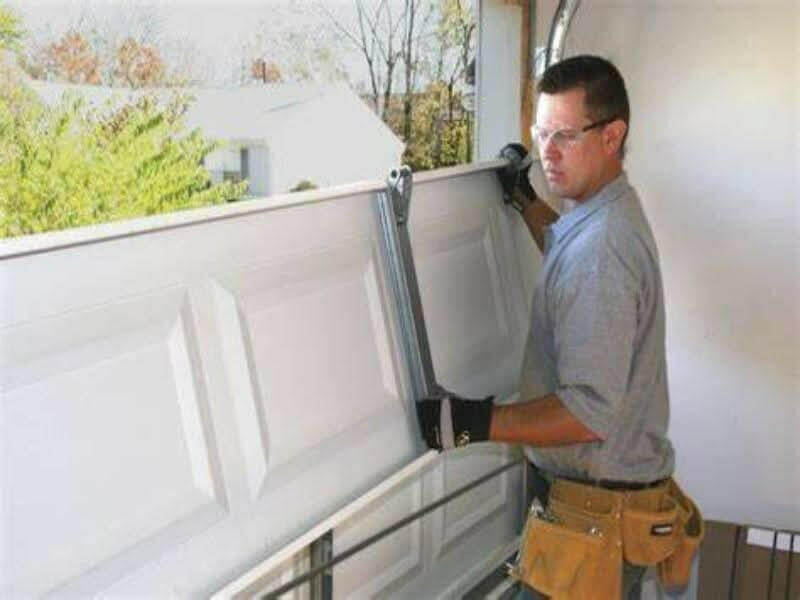
Opening a garage door installation and repair company means proving you can handle emergency calls, clean installs, and warranty risk without breaking cash flow. This garage door business plan template gives you a lender-aware, U.S.-focused structure in Word and PDF with a built-in 36-month financial model, so you can show exactly how booked jobs turn into revenue, margins, and repayment.
Instead of staring at a blank page, you start with sections already written for garage door services: installs, spring and cable repairs, opener replacements, smart upgrades, tune-ups, and maintenance plans. You’ll plug in your service area, pricing, trucks, technicians, and marketing plan, then update the model with your own job mix and utilization assumptions to make the numbers defensible for SBA and bank reviewers.
In plain English, this template helps you explain who you serve, how you schedule and dispatch, how you control parts and labor, and how you plan to grow from a single truck to a multi-tech operation. You keep full control of the document, edit it at your own pace, and walk into lender or landlord meetings with a serious, garage-door-specific plan instead of a generic download.
A garage door installation & repair business plan template is a ready-made, SBA-style plan that you edit in Word and support with a 36-month financial forecast built for U.S. service contractors. It explains your services, territory, trucks, technicians, marketing, and pricing in a format lenders recognize, then ties call volume, close rates, and average ticket into realistic revenue, expense, and cash-flow projections — produced by BPlanMaker.
Garage door installation and repair work sits inside the broader finish carpentry and specialty trade contractor segment in the United States. Demand is driven by aging housing stock, storm and wear-related failures, curb-appeal upgrades, and investor-owned rentals that need reliable turnaround service. Even when new construction slows, existing homes still need spring replacements, opener repairs, and full door change-outs, which keeps service demand resilient across many markets.
Homeowners are also upgrading to quieter, better-insulated doors and Wi-Fi-enabled openers that integrate with smart-home platforms, creating higher-margin tickets with accessories like keypads, cameras, and safety hardware. Property managers and small commercial sites lean on local contractors for routine maintenance and emergency response, and they usually stick with providers who show up on time and document work clearly — a point lenders like to see reflected in your operations plan.
Competition typically comes from a mix of local independents, franchise brands, and general handymen, so having a clear positioning around professionalism, responsiveness, and safety standards matters. Here’s why this matters for lenders: your ability to schedule efficiently, control parts inventory, and price jobs correctly is what protects margins when fuel, labor, or parts costs move.
Classification/licensing: NAICS 238350 — Official NAICS page. Industry background: Harvard Joint Center for Housing Studies.
Trusted by 6,000+ entrepreneurs. Built for real funding, real permits, and real operations.

You’re not just getting a set of headings. Every major section is already drafted for a U.S. garage door service company, then wired into a 36-month forecast you can adjust. You’ll replace the example text with your own routes, brands, and pricing, while keeping the lender-friendly structure that makes approvals easier.
This section gives lenders a clear overview of your garage door installation and repair business in one place. It introduces your service area, core offers, ownership, and funding request, then explains how the money will be used for trucks, tools, marketing, and working capital. You’ll see prompts to plug in your milestones — first truck on the road, additional technicians, and revenue targets — so reviewers can quickly understand where you are today and where you intend to be in 12–36 months.
Here you break down exactly how the company makes money. The template covers new door installs, spring and cable repairs, opener replacements, smart-home upgrades, tune-ups, safety inspections, and maintenance plans. It walks through how diagnostic fees, travel charges, labor, and parts combine into average tickets and job mix, so lenders see a realistic path from incoming calls to revenue instead of vague generalities.
This section connects your opportunity to your local housing and small-commercial base. You’ll describe the age and type of homes in your area, the presence of investor-owned properties, and how storms or climate impact door failures and replacements. Competitors are mapped by responsiveness, professionalism, and online reputation, and you’ll position your business with clear advantages that make sense to both homeowners and lenders reviewing your plan.
Lenders want to know how you’ll actually run the work, and this section answers that. It walks through truck routing, scheduling windows, technician roles, parts inventory and re-ordering, safety procedures on ladders and springs, and how you document jobs and warranties. You’ll customize hours of operation, service radius, and dispatch tools so reviewers see disciplined operations behind your revenue projections, not just optimistic talk.
This part shows how you plan to keep the phones ringing and the schedule full. The template covers local SEO, Google Business Profile, review generation, referral programs with real estate agents and property managers, yard signs, mailers, and repeat-customer follow-up. You’ll connect target lead volumes and conversion rates to the forecast so lenders can see how your marketing activity translates into booked service calls and installs month by month.
Here you explain who is responsible for what and why they’re qualified. The template includes space for owner experience, field lead roles, and how you’ll recruit, train, and supervise technicians. It also prompts you to describe safety training, customer-service standards, and performance metrics so lenders can see that the people running routes and taking payments are operating under clear expectations, not just “we’ll figure it out.”
This is where everything connects into numbers. The included 36-month model is already set up for garage door installation and repair, with inputs for call volume, close rates, average ticket, labor burden, parts margin, fuel, insurance, and marketing. You’ll adjust assumptions for seasonality, maintenance plan adoption, and additional trucks, and the model updates revenue, gross profit, overhead, breakeven, and cash flow so you can defend your projections line by line.
This plan is for U.S. founders launching a dedicated garage door installation and repair business, existing tradespeople spinning off from another employer, home-service owners adding garage doors as a new line, and operators preparing SBA loan packages, bank applications, or lease negotiations who need a serious, niche-specific document instead of a generic home services plan.
You get a one-time purchase, garage-door-focused business plan template built in an SBA-aligned format with a realistic 36-month forecast. There are no subscriptions or locked editors — just Word and spreadsheet files you control. Instant download means you can start filling in details tonight, and every section is written for garage door installation & repair, which gives you far more credibility with lenders than a generic “service business” template pulled from a random download site.
It’s a pre-written, lender-friendly business plan built specifically for garage door installation and repair companies. You customize the Word document and 36-month forecast with your own service mix, pricing, and staffing so SBA lenders, banks, and landlords can review a complete, organized plan instead of scattered notes.
Yes. Every section is fully editable, so you can adjust for residential, property-manager, and light-commercial work, different climate conditions, and your specific service radius. You’ll replace example text with your actual routes, brands, and policies, and update the forecast to match your job mix and technician utilization.
The outline follows common SBA and bank expectations, including detailed market, operations, management, and financial sections. While no template can guarantee approval, using a structured, garage-door-specific plan with a realistic 36-month model gives reviewers what they need to evaluate risk and repayment more efficiently.
Yes. The template comes with a 36-month forecast already structured for garage door installation & repair. You can modify assumptions for call volume, close rate, average ticket, labor, parts margin, fuel, insurance, marketing, and additional trucks, and the model updates your revenue, expenses, and breakeven automatically.
You’ll receive an editable business plan in Word plus a supporting 36-month financial model and ready-to-share PDF. Everything is delivered instantly via digital download after checkout, so you can begin editing right away — there’s no waiting for a consultant or printed packet to arrive.
This is a one-time purchase license for your own business use; there are no recurring subscription fees. The template does not provide legal, tax, or accounting advice — you should work with licensed professionals for those areas. Because the files are digital and can be copied, all sales are final.
Instead of wrestling with spreadsheets and guessing what lenders expect, you can start from a complete, garage-door-specific business plan that already matches SBA-style formatting. In a few focused evenings, you’ll have a draft you can defend in meetings with banks, landlords, and partners.
Download, customize, and turn your experience into a professional plan that shows exactly how your garage door installation & repair company will win and keep high-value accounts in your market.
Start with a proven business plan template — then focus on serving customers, not writing everything from scratch.
Last updated: 2025 by BPlanMaker.
BPlanMaker


Still researching your plan? Explore our latest articles on writing a stronger business plan, using your business plan template, and getting ready for lenders, investors, and SBA programs.
Open your auto repair shop with a clearer plan. This editable auto repair shop business plan temp...
Read more →
Open your daycare with a clearer plan. This editable daycare business plan template includes a Mi...
Read more →
Planning to start a lawn care business? Learn what a professional business plan should include an...
Read more →