


Auto Repair Shop Business Plan Template (Word, PDF & Financial Projections)
Open your auto repair shop with a clearer plan. This editable auto repair shop business plan temp...
Read more →Couldn't load pickup availability
Launching a U.S. coffee route takes more than passion — it takes a lender-ready business plan template with real numbers. This Coffee Delivery & Vending Service plan downloads instantly in Word + PDF and includes a 36-month financial model, startup costs, and SBA-aligned structure so banks and investors can see a clear path to profitable contracts.
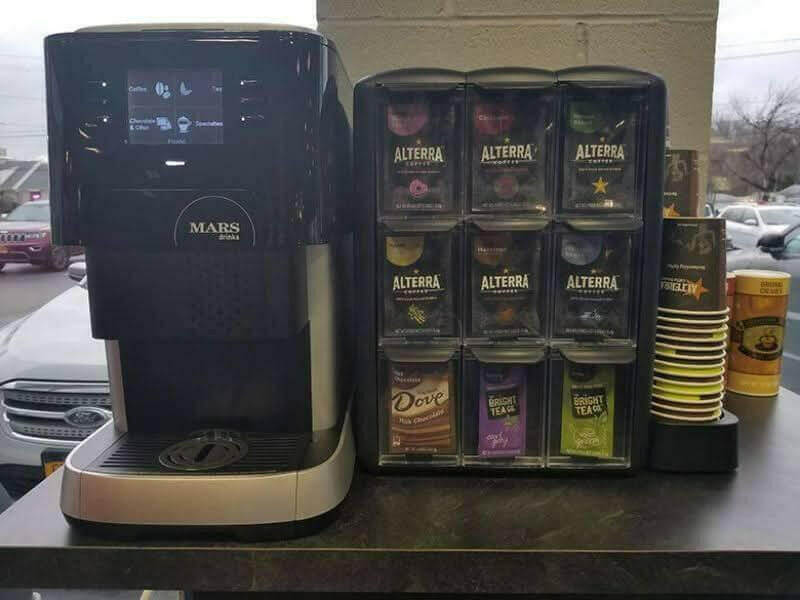
In practice, founders use this for office coffee programs, smart vending placements, bean subscriptions, and bundled breakroom accounts. You can present a tight service area, map routes by stop density, and show how you’ll keep machines stocked and clients happy without overextending labor or inventory.
Most founders don’t realize that lenders care less about hype and more about utilization, margins, and repeatable service cycles. So the model ties account volume, restocking frequency, and per-stop labor into a simple monthly forecast you can defend in a loan meeting — and adjust as your route grows.
A coffee delivery & vending service business plan template is a step-by-step roadmap that shows U.S. lenders how your route, placements, pricing, and service cycles create dependable recurring revenue. It includes an editable Word plan, a PDF copy, and a realistic 36-month financial model that connects vending utilization and contract volume to monthly cash flow — built by BPlanMaker, a U.S. specialist in lender-ready business plan templates.
U.S. offices and multi-tenant workplaces keep outsourcing coffee programs to vendors who can deliver consistent quality, predictable restocks, and contactless convenience. Demand is strongest for routes that bundle machines + supply + service into renewable contracts and scale by increasing stop density within compact service zones.
Margin protection comes from tight route planning, minimum-volume account standards, and keeping service time per stop low as density rises.
NAICS Code: 454390 (Other Direct Selling Establishments — route delivery & vending services) — Official NAICS listing
Market validation guidance: SBA market research overview
Secure checkout · Instant access · Works in Word & Excel

This section states your route concept, target accounts, and revenue model in lender language. It explains whether you’re focused on vending placements, subscription bean delivery, or bundled office coffee service. For lenders, this is where you show the “why now” and the funding request tied to equipment, inventory, and initial route build-out. In plain English, it gives a fast, confidence-building overview of how you win and scale.
You’ll define your local service territory, account types, and demand drivers in the U.S. market. The analysis covers workplace coffee trends, property manager buying behavior, and how competitors structure contracts. Here’s why this matters for lenders: it proves you’re not guessing about volume — you’re tying demand to real building clusters and employee counts. You’ll also map your niche edge, such as faster response cycles, better bean quality, or smarter machine mix.
This part details exactly what you sell: vending coffee programs, espresso stations, bean subscriptions, add-on snacks, and service bundles. You’ll set pricing structures for per-cup vending, monthly service retainers, or tiered office plans. Most founders don’t realize that pricing must defend both margin and maintenance time, so the template walks you through cost-plus logic and contract minimums. Lenders want to see that your pricing matches utilization and restock frequency without eroding profit.
You’ll lay out route scheduling, stop sequencing, restock policies, and machine service workflow. The plan covers van setup, inventory storage, service day cadence, and how you track machine performance between visits. For lenders, operational clarity reduces risk, because it shows you can deliver consistently with predictable labor hours. It also includes scaling steps for adding new route days, drivers, or technicians as density rises.
This section explains how you’ll win accounts and keep churn low in a B2B market. You’ll outline outreach to property managers, HR teams, and office admins, plus sampling and referral programs. A realistic, defensible set of assumptions backs your projected close rate and onboarding timeline. You also show how reviews, local networking, and LinkedIn visibility support steady lead flow without wasting budget.
You’ll define your owner-operator role, any delivery staff, and oversight routines for equipment and accounts. The template includes a micro-list of core KPIs in paragraph form: route stop density, machine utilization, average revenue per account, and service time per stop. For lenders, these KPIs show you understand what drives profitability and what triggers corrective action. It’s a clean governance section that makes your plan meeting-ready.
The built-in model projects 36 months of revenue, costs, cash flow, and break-even using route-realistic logic. You’ll input placements, expected utilization, pricing, restock cycles, labor hours, and equipment depreciation. What this means for opening day is simple: you can show a month-by-month path from your first accounts to a dense, profitable route. The forecast is fully adjustable, so you can defend assumptions and update as contracts grow.
Generic coffee route templates are usually too thin for lenders and too vague for real operations. This plan is SBA-aligned, built around route economics, and written so you can explain your model in a funding meeting without scrambling. It’s a one-time purchase — no subscriptions — and you get an editable Word plan plus the financial model you can tailor to your territory.
If you’ve been asking yourself whether your numbers are credible enough for a loan, this gives you the structure and assumptions to answer “yes” with confidence.
Instant digital download · Editable files
Walk into your next lender or contract meeting with a clear, defensible roadmap and a 36-month forecast that makes sense.
Instant digital download. One-time purchase. Editable Word plan + financial model.
Get funded faster and start winning placements.
Last updated: 2025 by BPlanMaker.
BPlanMaker


Still researching your plan? Explore our latest articles on writing a stronger business plan, using your business plan template, and getting ready for lenders, investors, and SBA programs.
Open your auto repair shop with a clearer plan. This editable auto repair shop business plan temp...
Read more →
Open your daycare with a clearer plan. This editable daycare business plan template includes a Mi...
Read more →
Planning to start a lawn care business? Learn what a professional business plan should include an...
Read more →